
Dependency Management
A New Way to See and Manage Dependencies in Kendis
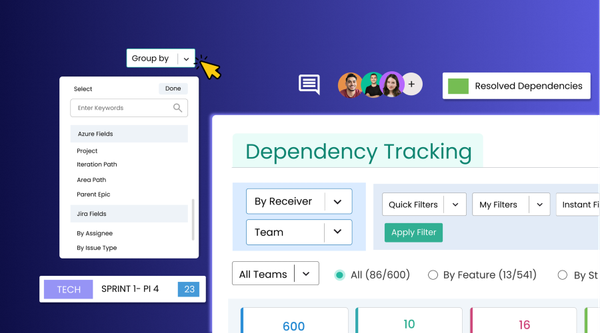
Introducing a new Dependency Tracking experience, built for better visibility, faster filtering, and effortless management of cross-team dependencies.
Dependency Management
Introducing a new Dependency Tracking experience, built for better visibility, faster filtering, and effortless management of cross-team dependencies.
Dependency Management
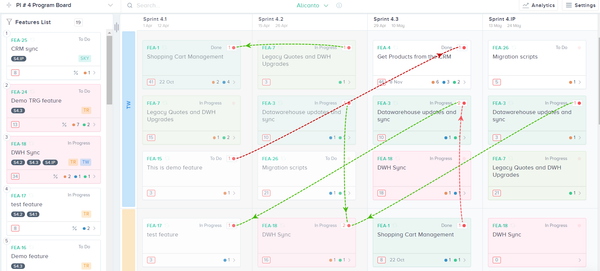
During the Program Increment (PI) Planning, one of the most important activities is being able to understand, discuss and possibly mitigate inter-team dependencies. If not identified, these unknown dependencies would impact delivery of important features anticipated or requested from the business. Thereby, blocking your teams from achieving their goals. During
Dependency Management
Agile teams are meant to be self managing and independent. But as the size of an organization grows or the scope of the product being developed becomes complex, many teams have to work together. Thus dependencies can start existing between these different agile teams. These dependencies can become a serious
Dependency Management
Dependencies can exist for a variety of reasons. Recognizing, identifying and correctly mapping them is crucial. Dependencies are important as it gives a sense of accountability for why a task is not being completed. It also gives a trace to exactly what is wrong. Thereby, enhances transparency into what is
Dependency Management
A dependency is a relationship between two elements which reflects a logical, constraint-based or a temporary relationship. These tasks rely on each other in a way that one has to be finished in order to proceed. Dependencies can exist because of a variety of reasons. In this article, we will