The Hidden Risks of Multiple ARTs and How RTEs Can Get Ahead of Them
Multiple ARTs are essential for large initiatives, but they bring complexity that is easy to underestimate. For Release Train Engineers , the stakes are high: interdependencies multiply risk, delays in one train can ripple through programs, and visibility gaps can hide critical problems. To navigate this, RTEs need a structured approach to risk management grounded in a deep understanding of what ARTs do, how they deliver value, and the challenges that emerge when multiple trains operate in parallel.
This guide walks you through the practical realities of managing multiple ARTs, the typical risks that arise, and actionable strategies to mitigate them—without drowning in bureaucracy or losing focus on value delivery.
Understanding an Agile Release Train
An Agile Release Train is not just a collection of agile teams. It is a long-lived, cross-functional team of teams, typically 50–125 people, aligned around a shared mission. ARTs operate on a synchronized cadence, delivering value through program increments (PIs) that typically last 8–12 weeks. This synchronization allows multiple teams to coordinate effectively, manage dependencies, and maintain alignment with organizational objectives.
The ART is value-driven. Its primary focus is delivering features and outcomes that matter to the business and end users, rather than simply completing tasks. By doing so, ARTs translate strategic intent into tangible results, bridging the gap between high-level planning and actual delivery.
Why Multiple Release Trains Multiply Risk
Running one ART is complex, but the challenges compound exponentially when multiple trains operate simultaneously. Imagine three trains running parallel toward the same goal. ART A is responsible for core services, ART B develops the user interface, and ART C handles analytics. Each train has its own backlog, sprint cadence, and objectives. Individually, they function well. Together, the complexity compounds. ART B’s interface depends on services from ART A, and ART C’s reporting relies on data structures defined in ART A as well.
A two-week delay in ART A doesn’t just affect its own team. It blocks ART B, which in turn delays ART C. Without visibility, stakeholders see the delayed features but rarely understand the root cause. By the time the problem is noticed, the program increment (PI) is at risk, and the ripple effect has already caused multiple setbacks.
This scenario illustrates the central problem: dependencies and risks multiply exponentially as more ARTs are introduced. Traditional risk management tools—static registers, isolated dashboards, or team-level reporting—are insufficient. RTEs need a system that anticipates risks, makes dependencies visible, and allows for proactive intervention.
- Establishing Clear Prioritization Across Trains
When multiple ARTs run in parallel, not all trains are created equal. Some are delivering core strategic initiatives, while others handle supporting features or infrastructure. For an RTE, understanding which trains are mission-critical and which are secondary is essential. Ambiguity here can quickly lead to conflicts over resources, misaligned deliveries, and unnecessary friction among teams.
The first step is to work closely with business leaders and product owners to define a clear hierarchy of priorities. Each train should be classified according to its strategic impact: primary or key trains drive critical business outcomes, while secondary or supporting trains enable or complement the primary initiatives. Factors such as revenue targets, market deadlines, regulatory compliance, and customer needs should guide these designations.
Once priorities are defined, communication becomes critical. Teams, stakeholders, and leadership must have a shared understanding of which trains take precedence when conflicts arise. Visualizing these hierarchies on program roadmaps or integrated boards ensures that everyone can see the relative importance of each train at a glance.
Learn how Nordea Managed 150+ Release Trains with Kendis
- Mapping Dependencies
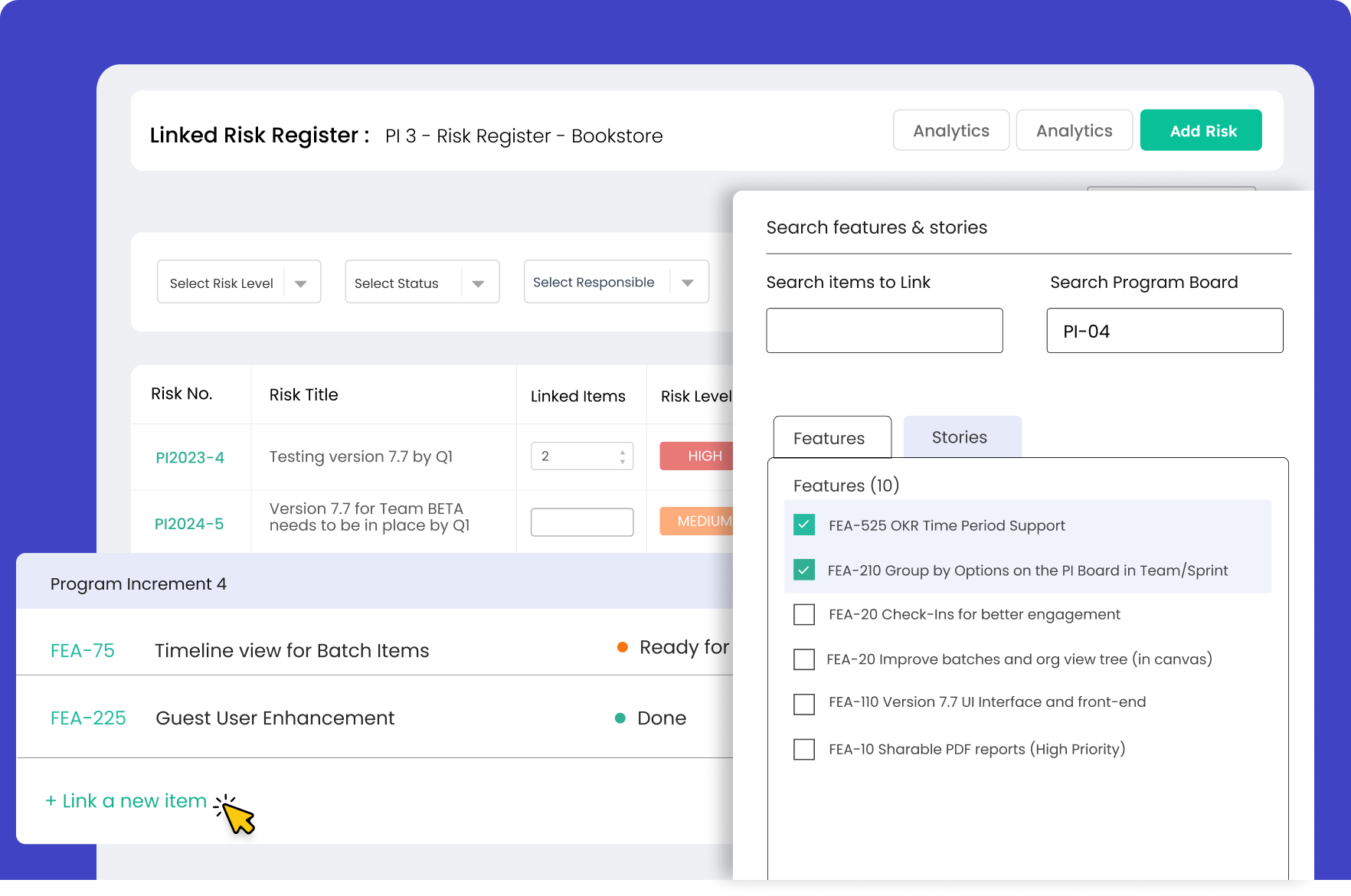
The second step in managing multiple ARTs is identifying and mapping all dependencies. Not just high-level features, but architectural enablers, shared resources, integration points, and even non-technical dependencies such as subject matter expertise or regulatory approvals. It must be maintained throughout the PI, updated as teams uncover new work or change priorities. Visual boards that consolidate multiple ARTs into a single view are invaluable here, allowing the RTE to quickly identify which teams are blocked, which dependencies are at risk, and where mitigation efforts should focus.
- Quantifying Risks: Which Ones Matter Most?
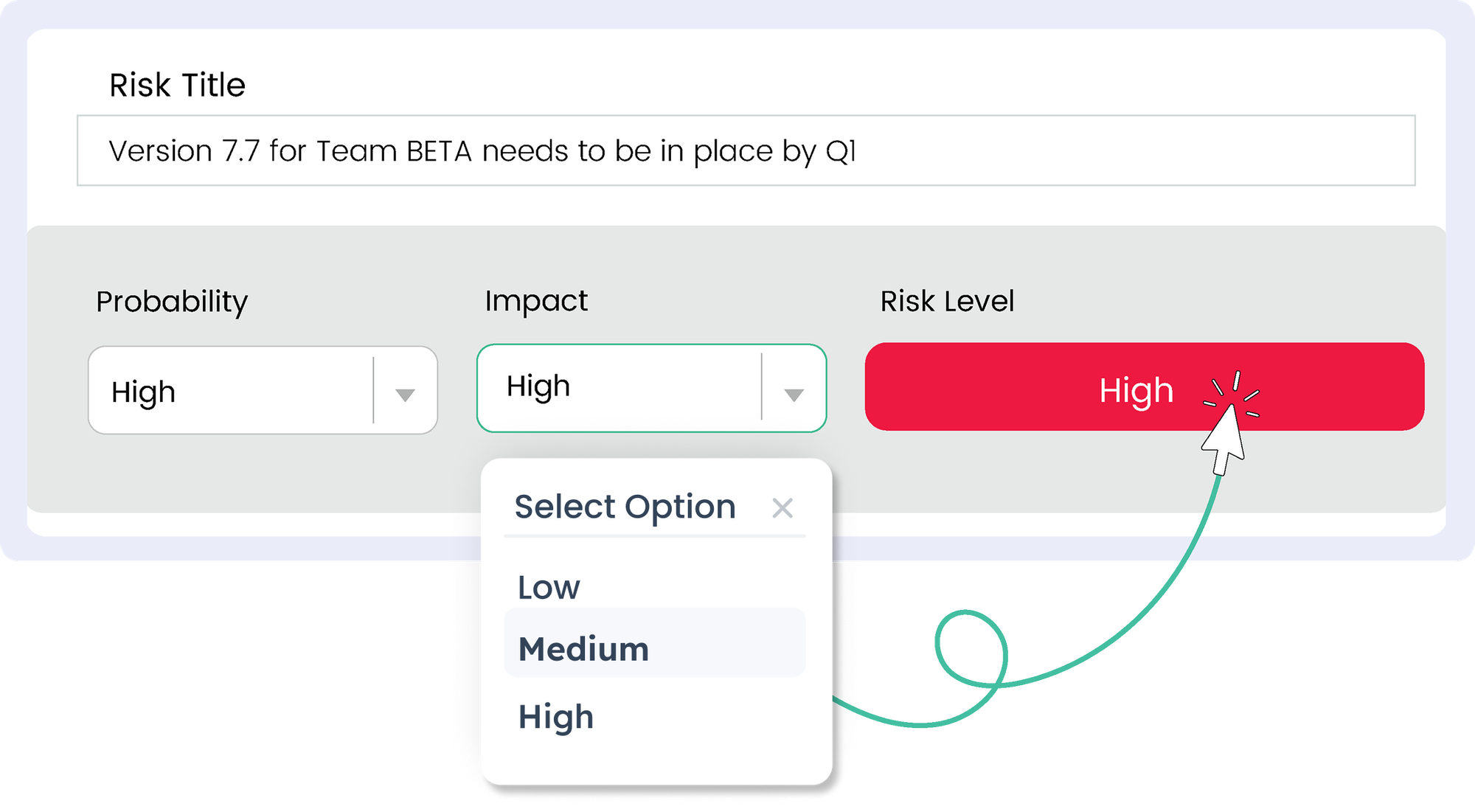
Once dependencies are visible, the next step is to assess risk impact and likelihood. Not all delays are equally dangerous. A small UI tweak blocked in ART B might be minor, but a foundational API delay in ART A can stop work across the program.
RTEs should evaluate: what happens if this dependency slips? Which teams and features will be affected? How likely is the delay given past performance, resource availability, and external constraints? Assigning owners for each risk ensures accountability, with a single overarching risk owner (often the RTE) for cross-ART risks.
- Team Capacity and Conflict Management
Attempting to treat all ARTs equally often stretches resources thin, slows delivery, and frustrates teams. RTEs must segment capacity based on train priorities.
Primary ARTs receive dedicated engineers, designers, and product owners, while secondary trains operate within realistic capacity limits. Visual dashboards showing team commitments across trains help prevent overload and allow proactive resource adjustments. This ensures that no train is blocked due to over-allocation or competing priorities.
Practical steps for RTEs:
- Map actual team capacity in hours or story points per PI, not just headcount. Include shared resources like architects, QA, UX, and ops specialists. Often, these shared roles are the real bottlenecks, not the developers.
- Prioritize work based on train hierarchy. Primary trains get first access to shared resources; secondary trains adjust scope or timeline accordingly.
- Tag resource constraints against trains. Example: ART A has 5 dedicated QA engineers and 2 shared QA engineers. ART B also relies on those shared QA engineers. If both trains peak simultaneously, ART B’s stories will inevitably get delayed. Visualizing this overlap early allows the RTE to plan staggered work or adjust scope.
Many organizations schedule all trains on the same PI cadence and sprint schedule. This creates resource collisions.
- Facilitate Cross-ART Communication
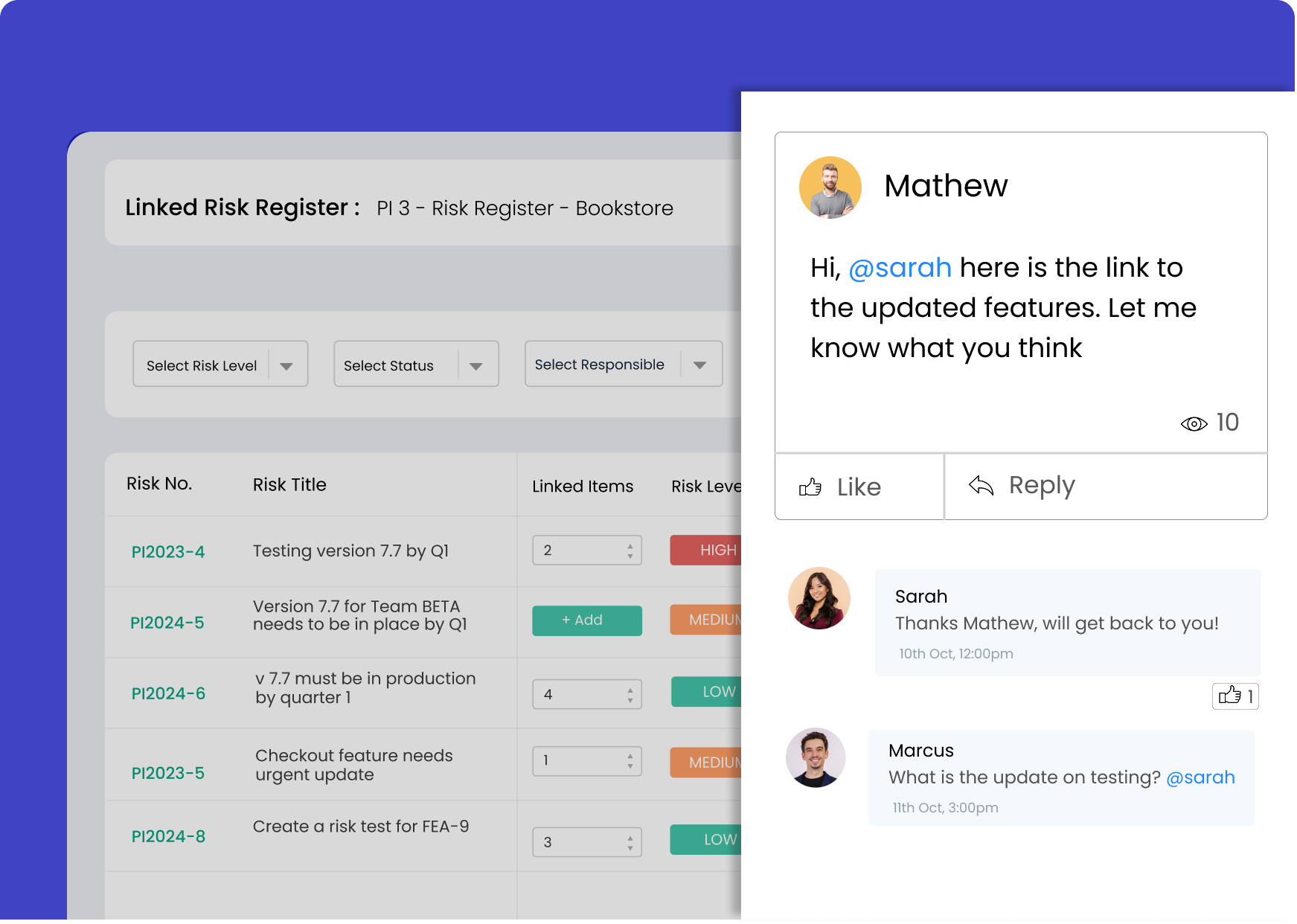
The RTE’s role is to surface risks through structured communication. Weekly risk syncs, cross-ART architectural reviews, and transparent reporting ensure everyone understands dependencies, blockers, and potential ripple effects. This collaborative approach allows teams to solve problems collectively rather than in isolation. It also fosters shared accountability—when everyone sees the impact of delays on the broader program, they are more likely to act proactively.
6. Plan Contingencies
Visibility and monitoring are not enough; contingency planning is essential. High-priority risks need predefined fallback options. Buffer sprints for risky features, alternate resource allocation, temporary mocks for missing APIs, and fallback architecture branches all help the program continue delivering value even when delays occur.
Putting It All Together: A Real-World Perspective
In a program with multiple ARTs, structured risk management transforms potential chaos into coordinated progress. Dependency mapping highlights critical points. Quantifying risks allows the RTE to focus on what matters most. Integrated boards and leading indicators provide continuous visibility, while cross-ART communication and contingency planning ensure teams can respond dynamically.
The result is a predictable, value-driven delivery across multiple ARTs. When one train encounters obstacles, the program continues moving. Stakeholders maintain confidence, and the organization meets its business objectives without being blindsided by cascading risks.
RTEs who invest in visibility, structured prioritization, continuous monitoring, collaborative communication, and contingency planning can transform multiple ARTs from a source of chaos into a reliable delivery system.
Expanded Risk Register Linking Across Program Boards, Solution Boards, and Collections