Evolving the Project Manager Role in Agile: From Control to Collaboration


The rise of Agile has transformed the way teams work, prioritizing collaboration, flexibility, and continuous delivery of value. For project managers transitioning to Agile environments, this shift can feel like a challenge but it’s also an opportunity to evolve into a new kind of leader. Agile isn’t about eliminating project management; instead, it redefines the role to focus on enabling teams, fostering collaboration, and driving cross-functional success.
From Command to Collaboration
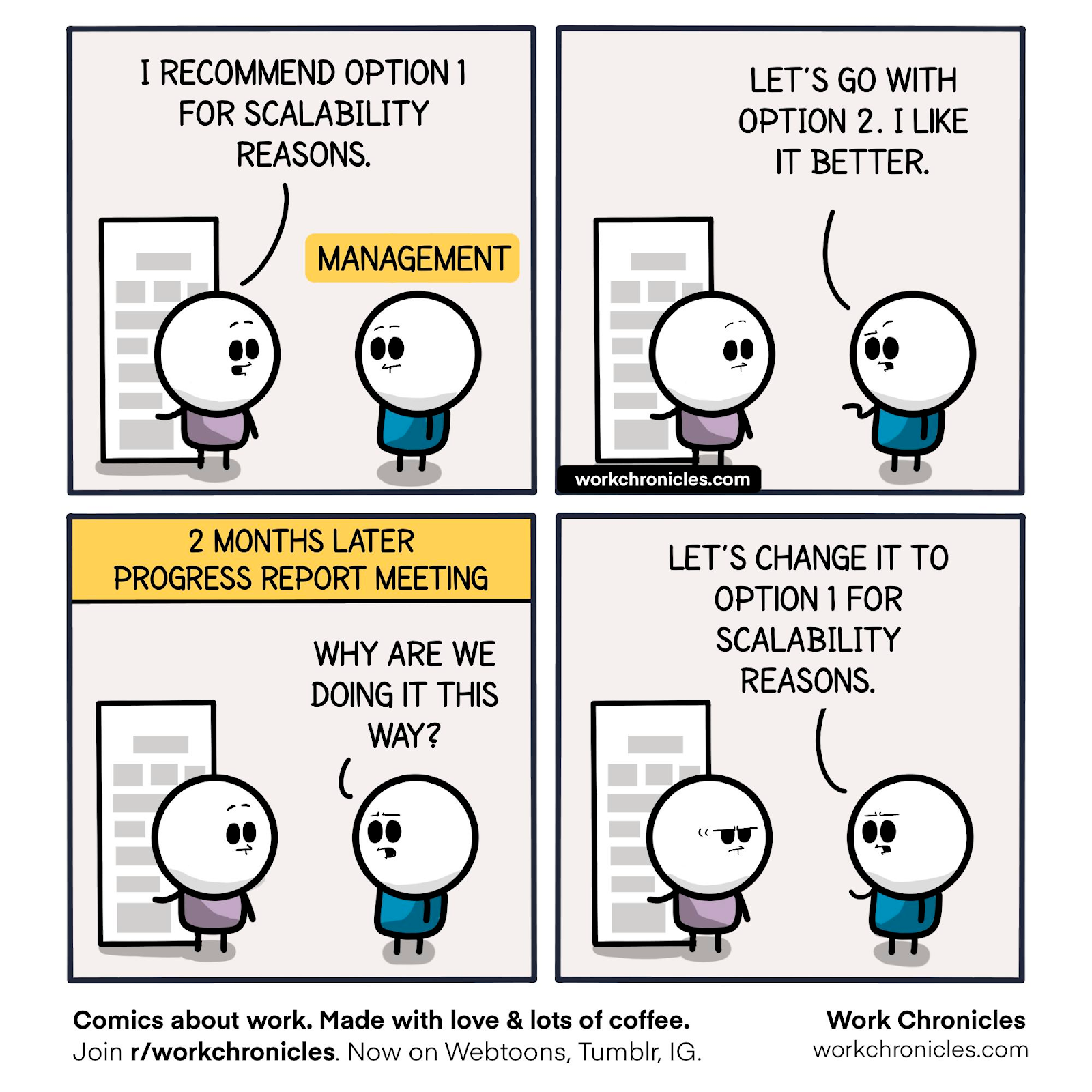
Traditional project management often revolves around control, defining the scope, creating detailed plans, and ensuring teams stick to timelines. While these skills remain valuable, Agile shifts the focus to collaboration and adaptability. In Agile teams, project managers take on more of a servant leadership role, where their primary objective is to empower the team and remove obstacles that may hinder progress.
Agile environments rely less on command and control and more on trust, shared ownership, and adaptability.
Project managers step into a servant leadership mindset:
- clearing blockers
- facilitating communication
- ensuring visibility across teams and stakeholders
- helping teams navigate change without losing focus on outcomes
Instead of being the driver, they become the connector.
Key Practices for Collaboration in Agile
Here are some practical ways project managers can embrace collaboration and thrive in Agile environments:
1. Facilitate Cross-Functional Alignment
Agile teams bring together design, development, QA, business leads, and operations. The project manager’s role is to help these functions work as a cohesive unit. That means creating space for shared dialogue, understanding dependencies early, and aligning priorities across roles.
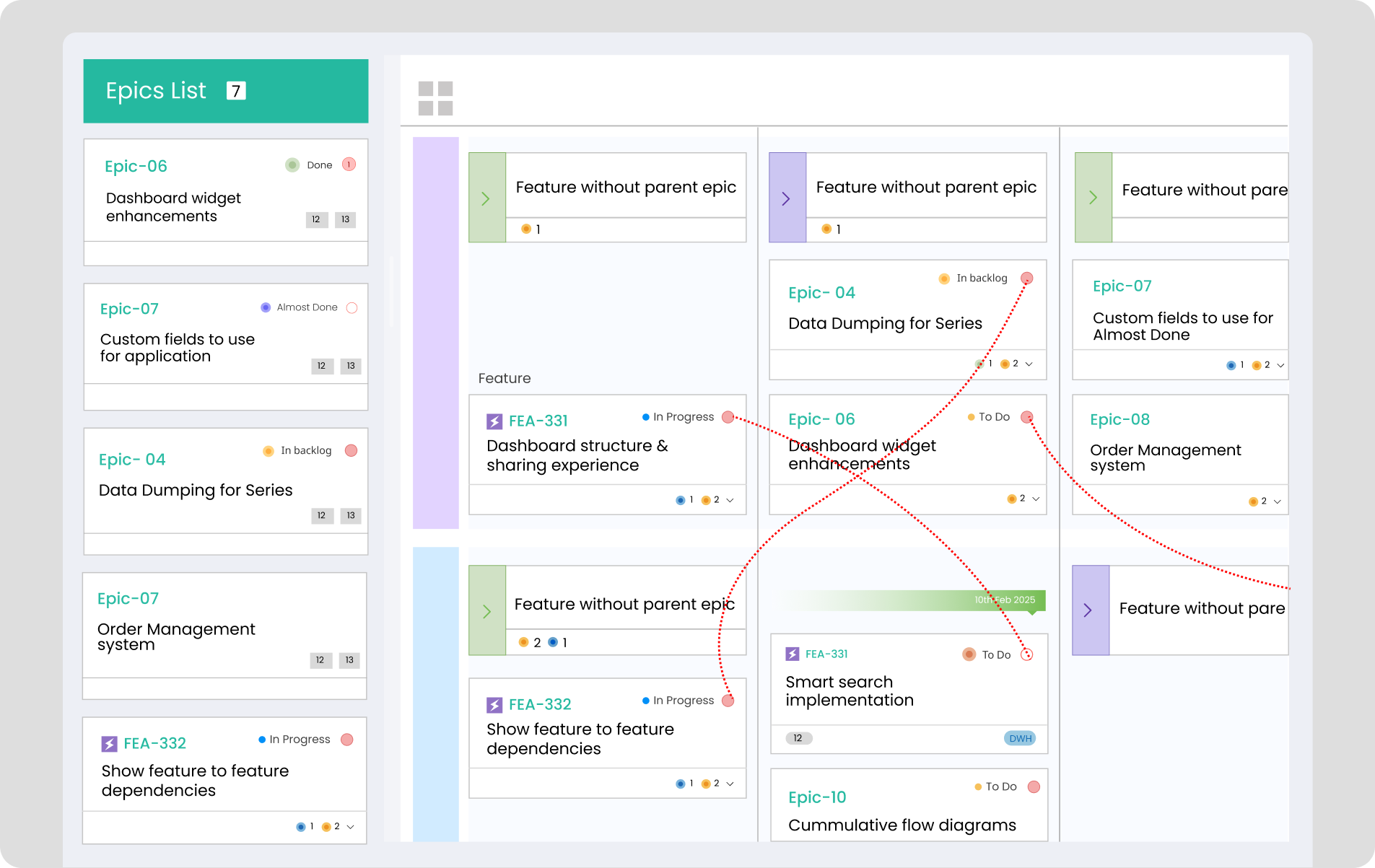
Kendis helps by offering shared views of features, stories, and dependencies, so every team sees how their work fits into the bigger picture. Instead of endless alignment meetings, PMs can focus on enabling meaningful discussions because everyone already has context.
- Support Servant Leadership Servant leadership focuses on enabling the team to do their best work by removing blockers, providing resources, and fostering a culture of trust. For project managers, this means listening actively, advocating for the team’s needs, and celebrating their achievements. It’s about creating an environment where collaboration flourishes naturally.
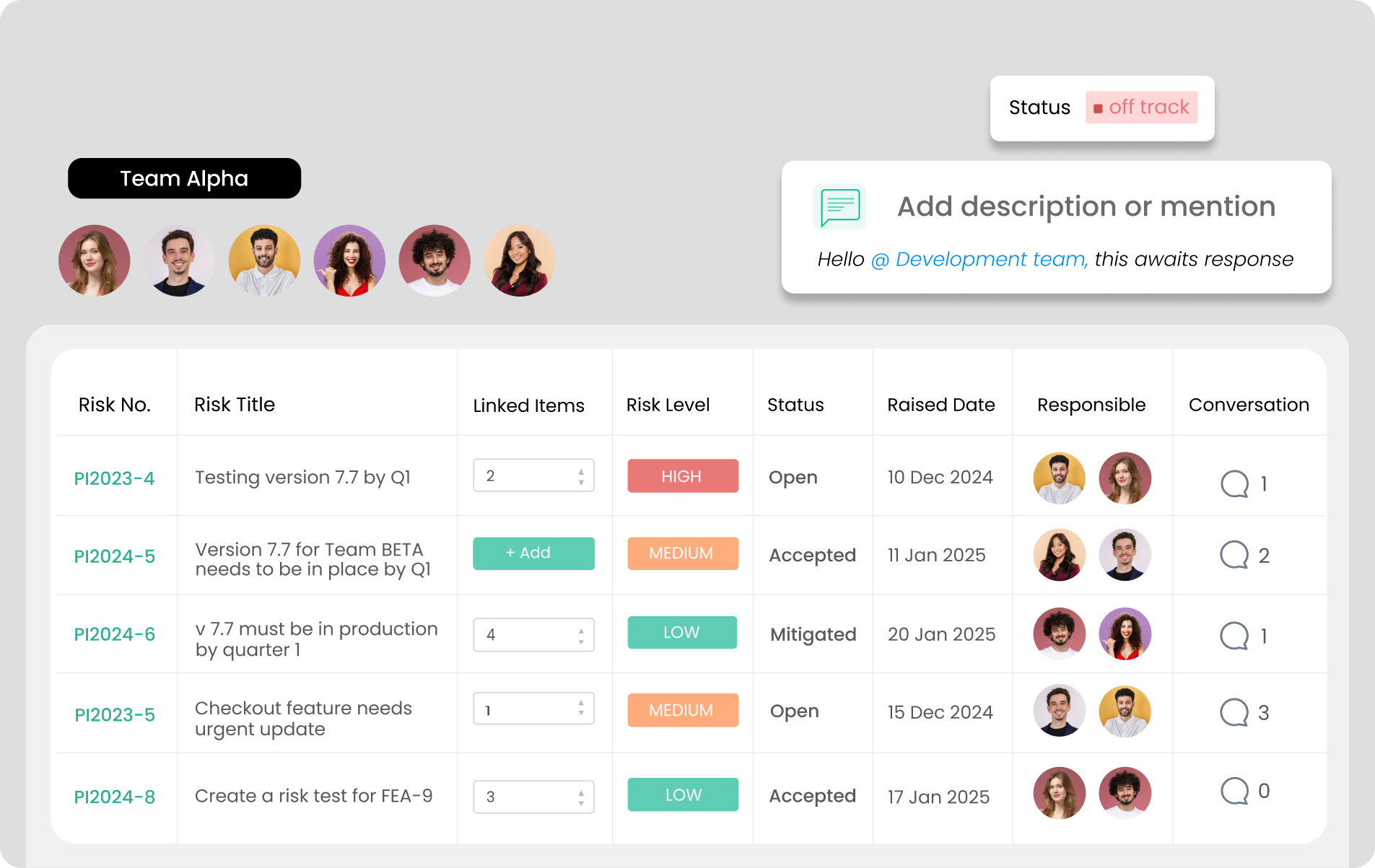
- Promote Transparent Communication In Agile, communication is constant, from daily standups to sprint reviews. Project managers should encourage transparency by ensuring all stakeholders have visibility into progress, risks, and changes. Tools like Kanban boards or Agile dashboards can make collaboration visual and accessible for everyone involved.
- Embrace Flexibility Agile thrives on change, and collaboration means being open to new ideas or shifts in priorities. Project managers need to help the team adapt quickly while maintaining focus on delivering value. This flexibility strengthens the team’s ability to handle uncertainties without compromising on outcomes.
Breaking Down Silos
One of the greatest challenges for project managers in Agile teams is overcoming organizational silos. In traditional setups, teams often work independently, handing off deliverables from one group to another. Agile dismantles these barriers, promoting a continuous feedback loop across all functions.
Project managers can lead this cultural shift by:
- Encouraging shared ownership of deliverables.
- Facilitating regular cross-departmental check-ins.
- Advocating for tools and practices that enhance collaboration, such as Scrum of Scrums or collaborative sprint planning sessions.
The Opportunity for Growth
For project managers, Agile is a chance to grow beyond the confines of traditional methodologies. By embracing collaboration, becoming servant leaders, and enabling cross-functional teams, they don’t just survive in Agile environments—they thrive. They become the glue that holds Agile teams together, ensuring alignment, fostering innovation, and delivering value.
To Conclude
The collaboration challenge isn’t about abandoning the project management skills you’ve mastered; it’s about evolving them. In Agile, success comes from empowering teams, promoting transparency, and ensuring everyone is working toward a common goal. By stepping into this role, project managers can transform from task coordinators to collaboration champions, becoming indispensable in their teams’ journey to deliver exceptional results.
Manage Project at Scale with Kendis Project Management
#Projectmanagement #Agile #TeamCollaboration #LeadershipAgile