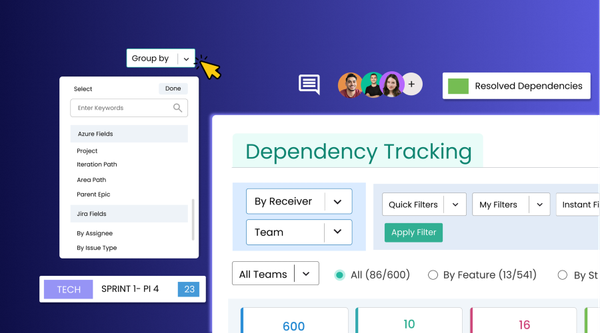
Dependency Management
A New Way to See and Manage Dependencies in Kendis
Introducing a new Dependency Tracking experience, built for better visibility, faster filtering, and effortless management of cross-team dependencies.


Dependency Management
Introducing a new Dependency Tracking experience, built for better visibility, faster filtering, and effortless management of cross-team dependencies.
Scaled Agile
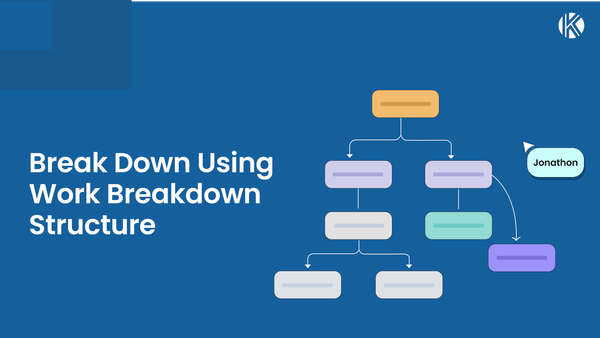
We have explored how to define project phases and structure work across milestones. Now, the focus shifts to breaking down these phases into smaller, actionable work packages using a Work Breakdown Structure (WBS) A WBS allows project or product managers to decompose high-level phases into manageable tasks, ensuring alignment with
Timeline
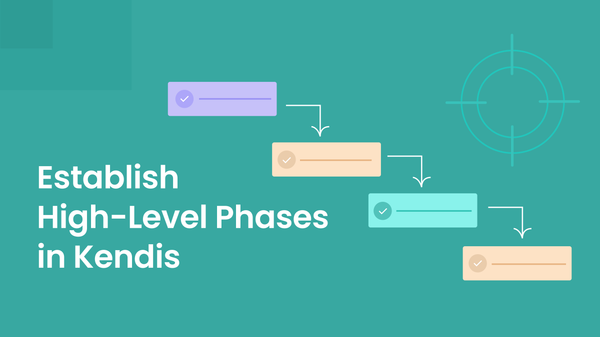
After defining the scope of your project, the next step is to outline the key phases that will guide its execution. These high-level phases provide a structured timeline, helping teams and stakeholders align on major milestones and expectations. While many industries have well-known standard phases, each project may require unique

Objectives and Key Results
“Definiteness of purpose is the starting point of all achievement” - W. Clement Stone How do you define your project? What is the first step in setting a clear direction? Addressing these uncertainties begins with creating a draft view that aligns with your objectives while identifying the areas of the
PI Planning
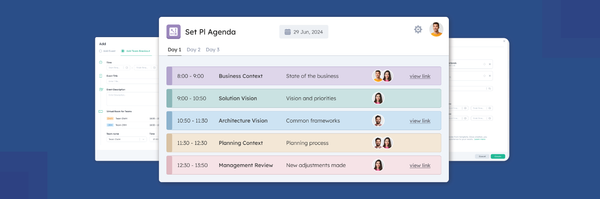
PI Planning is integral to the Scaled Agile Framework (SAFe). Typically it is a two-day event however, with new ways of remote working, PI Planning can last for more than two days. Each day follows an agenda of planned events. Ideally, it is best to have it face-to-face at a

PI Planning
The last event that wraps up the Scaled Agile Framework’s (SAFe) PI Planning, is the PI Planning Retrospective. Despite being the final event on the agenda, its significance cannot be understated. The goal of the Planning Retrospective is to reflect on the PI Planning process, capture feedback, and identify
Risks
Following the previous event, on the second or selected day on the PI Planning agenda in Scaled Agile Framework (SAFe), is planning Program Risks. What are Program Risks? Program risks are situations that can expose the product or projects to harm. Organizations spend a great amount of time understanding them

PI Planning
Kendis suggests reserving time to discuss Testing and Release strategies during the PI Planning event. Testing is a foundational and crucial aspect of software development that helps create high-quality and robust software to provide a trouble-free experience to the end user. Without it, the process of developing software is incomplete.
PI Planning
Planning Adjustments take place after the Draft Plan or Management Review and are usually the first event of Day 2 if you are following the two-day SAFe PI Planning. What are Planning Adjustments? Planning Adjustments are done to share any updates and communicate any high-level changes that may have been

PI Planning
As the dust settles after the exhilarating event of PI (Program Increment) planning, teams brace themselves for the journey ahead. PI planning marks the beginning of a new increment, filled with ambitious goals, collaborative efforts, and a shared vision. However, as the saying goes, The toughest challenges often reveal themselves
PI Planning
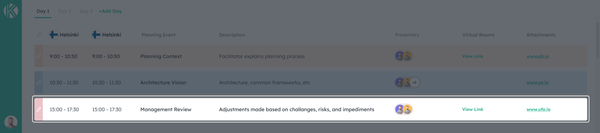
The event that concludes the first day of the PI Planning Agenda is called the Management Review. What is a Management Review? The Management Review aims to provide a platform for team leads, managers, and stakeholders to openly discuss any questions, challenges, or concerns regarding the PI Planning. The common
Scrum
In the ever-evolving landscape of Agile methodologies, the Scaled Agile Framework (SAFe) has recently made a significant terminology shift by rebranding Scrum Masters as "coaches." While this change signifies a broader scope of responsibilities and a more holistic approach to leadership, it also prompts a critical reflection on